
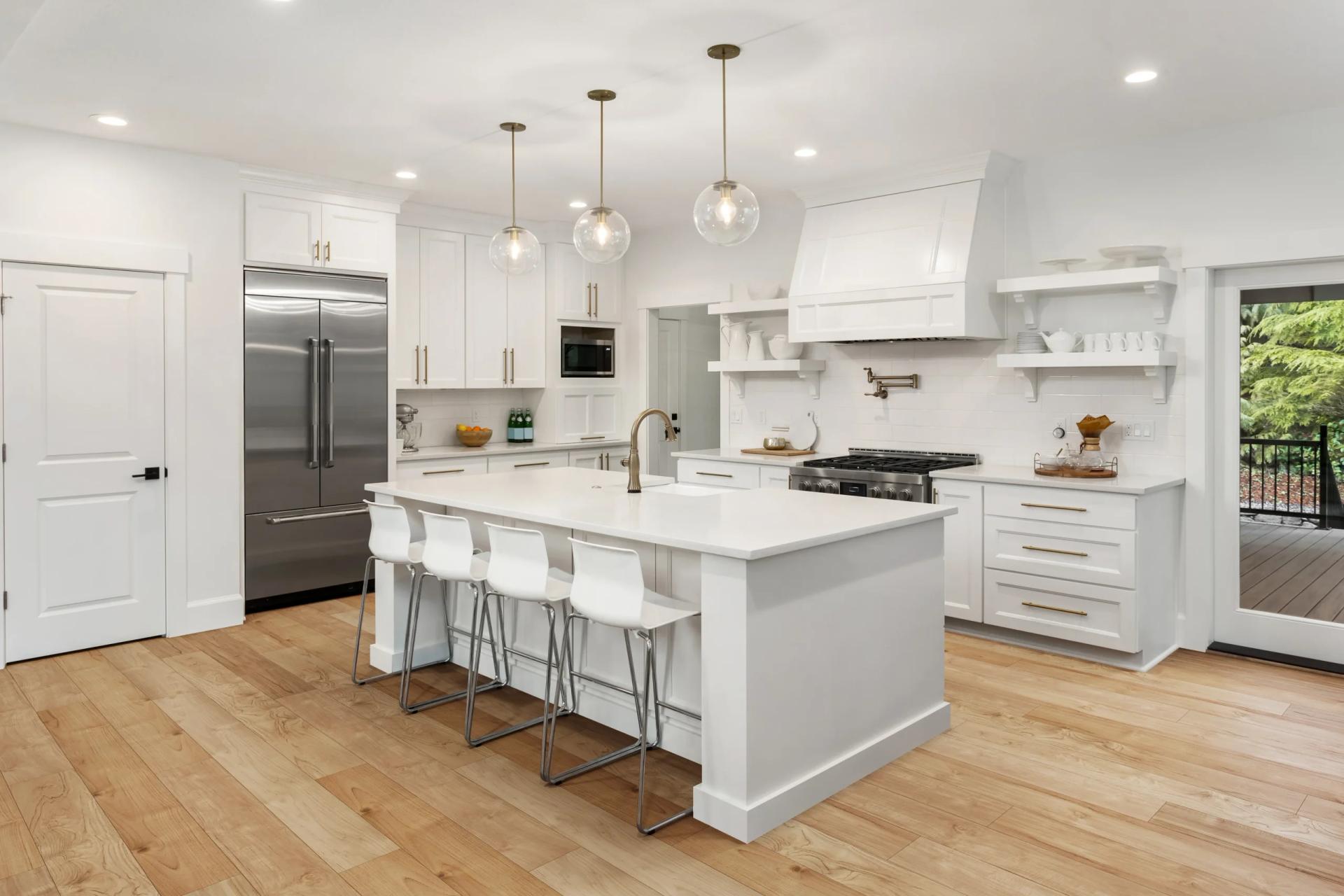
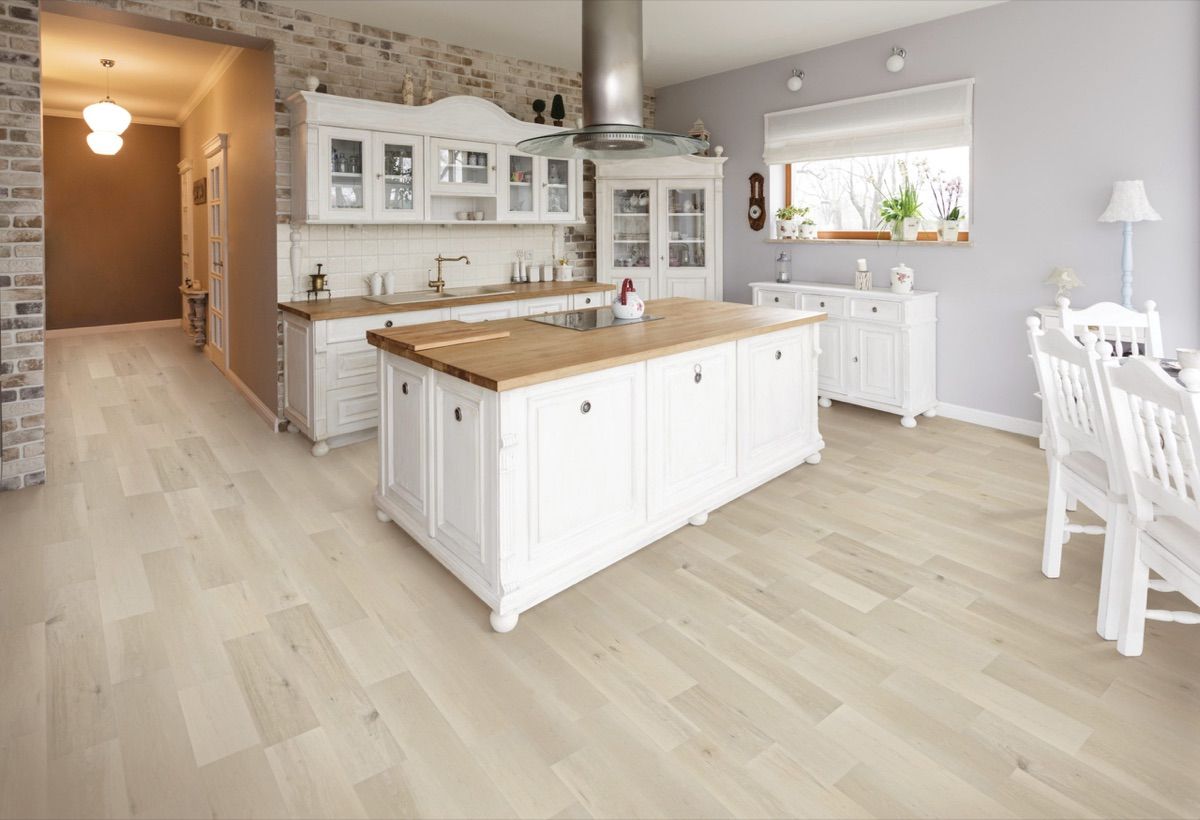
When it comes to selecting the perfect flooring for your home or business, there are numerous options to consider. One increasingly popular choice is engineered hardwood flooring. But what is engineered hardwood flooring, and what makes it a unique and desirable option for residential and commercial spaces? In this guide, we will delve into the details of engineered hardwood flooring, exploring its composition, benefits, installation process, and why it stands out in the flooring industry.
Understanding Engineered Hardwood Flooring
Engineered hardwood flooring is a type of wood flooring that consists of multiple layers, with a real hardwood veneer on the surface and several layers of high-density plywood or fiberboard underneath. Unlike solid hardwood, which is made from a single piece of wood, engineered hardwood is designed for increased stability and resistance to moisture fluctuations. The top layer, also known as the wear layer, is made of authentic hardwood and can come in a variety of wood species, colors, and finishes.
How Engineered Hardwood Flooring Is Made
The unique composition of engineered hardwood flooring makes it highly durable and adaptable to different environments. It is manufactured using the following layers:
- Top Veneer Layer – A thin slice of natural hardwood, available in species such as oak, maple, hickory, and walnut. This layer provides aesthetic appeal and can be sanded and refinished depending on its thickness.
- Core Layers – The middle layers are composed of high-quality plywood, high-density fiberboard (HDF), or softwood. These layers are cross-layered and glued together to create a strong, stable core that resists expansion and contraction due to humidity changes.
- Backing Layer – The bottom layer provides additional stability and moisture resistance, ensuring the flooring remains level and long-lasting.
Benefits of Engineered Hardwood Flooring
Compared to other types of flooring options, engineered hardwood excels in the following areas:
Durability and Stability
One of the primary advantages of engineered hardwood flooring is its ability to withstand changes in humidity and temperature. The multi-layer construction prevents warping, cupping, and shrinking, making it an excellent choice for areas with varying climate conditions or homes with radiant heating systems.
Versatile Installation Options
Unlike solid hardwood, which must be nailed or stapled to a wooden subfloor, engineered hardwood offers multiple installation methods, including:
- Floating installation – Planks are clicked together without adhesive or nails, making installation quick and easy.
- Glue-down installation – Ideal for concrete subfloors, this method provides a secure bond.
- Nail-down installation – Similar to solid hardwood, this option offers a traditional look and feel.
Authentic Hardwood Appearance
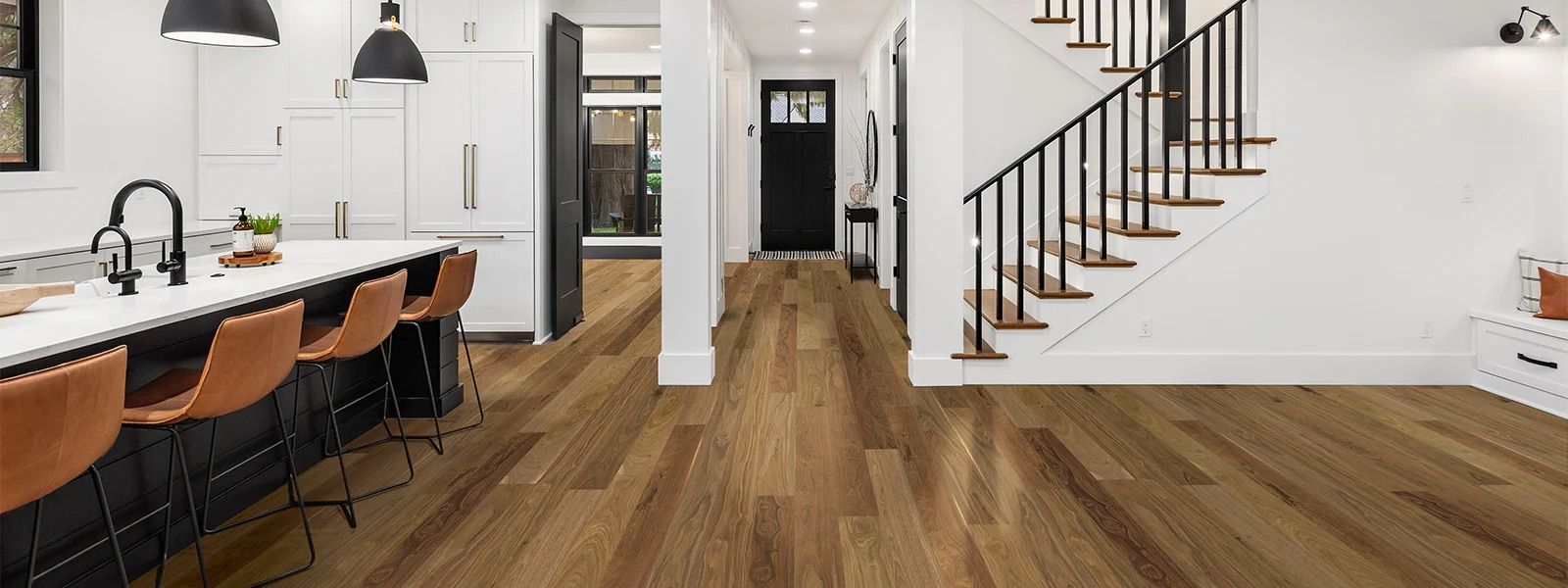
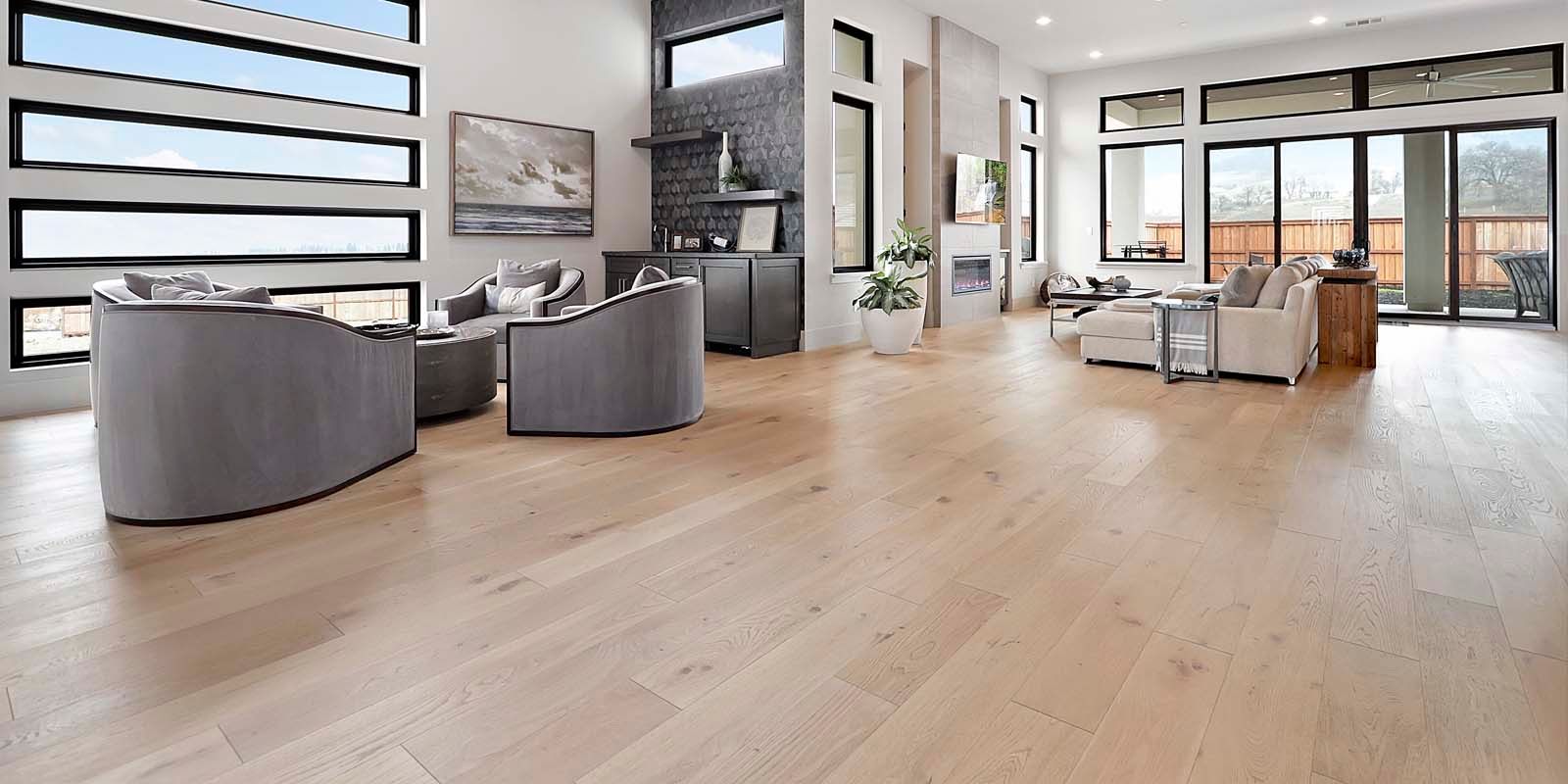
Since engineered hardwood features a real wood veneer, it provides the same natural beauty and character as solid hardwood flooring. It comes in a variety of wood species, stains, and finishes, allowing homeowners and business owners to achieve their desired aesthetic.
Moisture Resistance
Compared to solid hardwood, engineered hardwood is more resistant to moisture and humidity, making it suitable for installation in basements, kitchens, and even some bathrooms, where solid hardwood might be prone to damage.
Eco-Friendly Option
Engineered hardwood flooring uses less solid wood than traditional hardwood flooring, making it a more environmentally friendly choice. Many manufacturers also use sustainable wood sources and low-VOC adhesives to reduce environmental impact.
Maintenance and Care for Engineered Hardwood Flooring
To keep engineered hardwood flooring looking its best, proper care and maintenance are essential. Here are some tips:
- Regular Cleaning – Sweep or vacuum regularly to remove dust and dirt that could scratch the surface.
- Damp Mopping – Use a damp (not wet) mop with a wood-friendly cleaner to maintain the finish.
- Avoid Excess Moisture – Although engineered hardwood is more moisture-resistant than solid wood, excessive water can still cause damage.
- Use Protective Pads – Placing felt pads under furniture and using area rugs can prevent scratches and dents.
- Refinishing Options – If the top veneer layer is thick enough, engineered hardwood can be sanded and refinished to restore its appearance.
Choosing the Right Engineered Hardwood Flooring
When selecting engineered hardwood flooring, consider the following factors:
- Wood Species – Different wood species offer distinct grain patterns and hardness levels.
- Finish Type – Options include matte, semi-gloss, and high-gloss finishes.
- Plank Width and Thickness – Wider planks create a modern look, while thicker veneers allow for refinishing.
- Installation Method – Choose a method that suits your space and skill level.
Whether you are renovating a residential property or upgrading a commercial space, engineered hardwood flooring provides an ideal balance of aesthetics, durability, and practicality. Its ability to withstand humidity fluctuations, offer versatile installation options, and provide a natural hardwood appearance makes it a preferred flooring choice for many homeowners and business owners.
About La Mesa Flooring in San Diego, CA
At La Mesa Flooring, we are a locally-owned, full-service flooring company based in San Diego, CA. We specialize in a wide range of flooring solutions, including engineered hardwood flooring and luxury vinyl plank flooring. With years of experience and a dedication to customer satisfaction, our team provides expert guidance, professional installation, and top-quality flooring products. Whether you’re looking to upgrade your home or commercial space, we have the perfect flooring options to match your style and budget.
Looking to Install New Engineered Hardwood Floors? Contact La Mesa Flooring in San Diego
Engineered hardwood flooring is an excellent choice for those seeking the beauty of real hardwood with added durability and versatility. With its layered construction, moisture resistance, and wide range of styles, it is ideal for both residential and commercial spaces.
If you are considering installing hardwood flooring in your home or business, contact La Mesa Flooring in San Diego today. Our team of flooring experts is here to help you choose the perfect flooring solution and provide professional installation services. Call us or visit our showroom to learn more about our flooring options and get started on your next project!
Which is better, hardwood floors or engineered hardwood?
It depends on your needs. Solid hardwood offers longevity and can be refinished multiple times, while engineered hardwood is more resistant to moisture and works better in basements or humid climates. If you want durability and classic appeal, solid hardwood is great, but if stability and easy installation matter more, engineered hardwood is a solid choice.
Which is better, laminate or engineered hardwood?
Engineered hardwood offers a more authentic wood feel since it has a real wood veneer, whereas laminate is entirely synthetic but often more scratch-resistant and budget-friendly. If you want a real wood look with better durability, engineered hardwood is ideal, but if affordability and easy maintenance are priorities, laminate might be the better option.
How long do engineered hardwood floors last?
The lifespan of engineered hardwood depends on its quality and care, but well-maintained floors can last anywhere from 20 to 50 years. Thicker wear layers allow for refinishing, extending their life, while lower-quality options may show wear sooner. Regular cleaning and avoiding excessive moisture can help maximize their longevity.
Do engineered wood floors scratch easily?
Engineered wood floors can scratch, especially if they have a softer wood species on top, but they tend to be more scratch-resistant than solid hardwood due to their tough finish layers. Using area rugs, furniture pads, and regular maintenance can help minimize scratches and keep the floors looking their best.
Can engineered hardwood flooring be refinished?
Yes, but the ability to refinish depends on the thickness of the top veneer layer. If the veneer is at least 4mm thick, it can be lightly sanded and refinished one or two times, whereas thinner veneers may not support refinishing.