
When considering new flooring for your home, hardwood remains one of the most sought-after options for its timeless beauty and durability. However, many homeowners find themselves asking: What is the cost to install hardwood floors? While it’s natural to want a clear number, the reality is that the average cost to install hardwood floors depends on a variety of factors that go far beyond square footage. From the material you choose to the preparation of your subfloor and the complexity of the installation itself, each component plays a significant role in determining your final investment.
In this guide, we’ll break down the key elements that affect the average cost to install hardwood flooring so you can make informed decisions as you plan your next home improvement project.
Material Selection: Type, Species, and Grade
One of the most significant contributors to the cost to install hardwood floors is the type of wood you choose. There is a wide range of hardwood species available, each varying in aesthetic, durability, and price point.
Common Species vs. Exotic Woods
Domestically sourced woods such as oak, maple, and hickory are generally more affordable and readily available. Oak, in particular, is prized for its traditional look and durability, but it tends to cost more than maple or hickory. On the other hand, exotic hardwoods like Brazilian cherry, mahogany, or teak offer unique visual appeal and hardness, but they come at a premium due to import costs and rarity.
Wood Grade and Visual Character
Hardwood flooring is also categorized by grade—typically Prime (or Select), Natural (or #1 Common), and Rustic (or #2 Common). Prime grade boards are the most uniform in color and grain, with fewer knots and imperfections. Rustic grades, while full of character and charm, contain more natural inconsistencies and are usually more affordable. The grade you select will directly influence the average cost to install hardwood floors, as higher grades cost more per square foot.
Solid vs. Engineered Hardwood
While solid hardwood is milled from a single piece of wood, engineered hardwood consists of a hardwood veneer over layers of plywood. Engineered options can sometimes reduce costs and offer greater versatility for installation over concrete slabs or in moisture-prone areas.
Subfloor Preparation: A Critical Step Before Installation
Before any planks are laid, the condition of your subfloor must be evaluated. Proper subfloor preparation is essential to ensure the longevity and performance of your new floors.
Flatness and Leveling
Hardwood floors require a perfectly flat and level subfloor. Uneven surfaces may cause boards to creak, shift, or wear prematurely. If your subfloor is warped, sloped, or damaged, it may require additional work such as grinding, self-leveling compound, or even replacement—each of which can add to your total installation cost.
Moisture Protection
Wood is particularly sensitive to moisture. In homes with concrete subfloors or crawl spaces, it’s critical to install moisture barriers or vapor retarders to prevent water vapor from seeping upward and damaging your hardwood floors. This step not only protects your investment but also factors into the average cost to install hardwood flooring.
Subfloor Material
The type of subfloor—whether it’s concrete, plywood, or particleboard—will determine the type of hardwood you can install and whether additional preparation or underlayment is needed. Concrete, for instance, may require the use of engineered hardwood and adhesives, while plywood subfloors are more flexible with nail-down or staple installation.
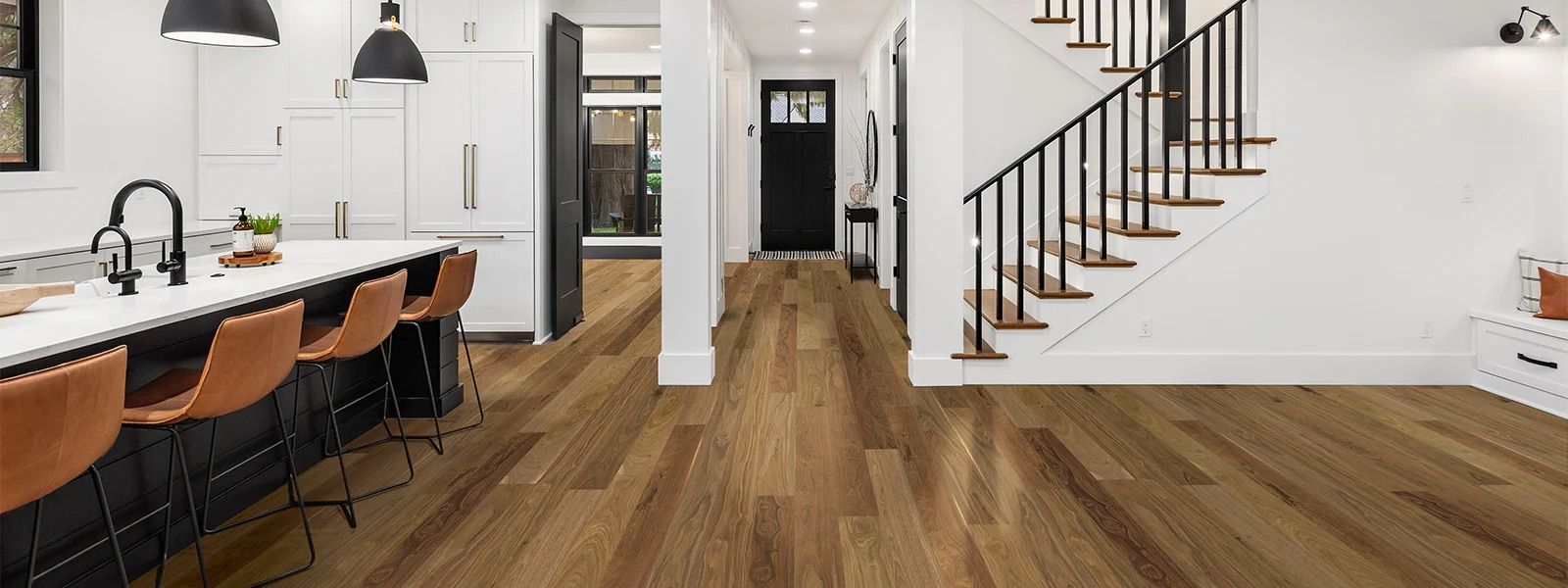
Installation Complexity: Patterns, Size, and Accessibility
While material and prep work set the stage, the actual installation process is where labor costs can vary significantly.
Flooring Patterns and Layouts
A simple straight lay is the most cost-effective option, but if you’re interested in a more decorative installation such as herringbone, chevron, or parquet, expect the labor time and cost to increase. These patterns require precise cuts and skilled craftsmanship, impacting the cost to install hardwood floors.
The size of your project will naturally influence total cost. Larger spaces often benefit from economies of scale, but they also require more materials and labor. Conversely, smaller or segmented rooms with a lot of nooks and obstacles may slow down installation and raise labor costs per square foot.
Is the installation site on the first floor of a single-family home or a high-rise apartment with limited access? Stairways, narrow hallways, or multi-level setups can increase installation complexity and extend project timelines. Moving furniture, removing old flooring, or working around cabinetry are other variables that can impact pricing.
Why Residents of San Diego Trust La Mesa Flooring for Hardwood Flooring Installations
At La Mesa Flooring, we understand that no two flooring projects are the same—which is why we offer personalized guidance every step of the way. As the longest running flooring company in San Diego, our reputation is built on more than just experience. We are a locally-owned, full-service flooring provider, offering everything from hardwood selection and design consultations to expert installation and ongoing maintenance.
Our knowledgeable team will help you navigate the many choices and conditions that affect the average cost to install hardwood floors, ensuring you receive flooring that fits your lifestyle, budget, and design vision.
Visit Our Showroom or Contact Us Today
While there’s no single answer to the question of the average cost to install hardwood flooring, understanding the key factors—material, subfloor preparation, and installation complexity—can help you plan your project with confidence.
If you’re a homeowner in San Diego or the surrounding area, we invite you to experience the difference of working with a company that’s committed to craftsmanship, honesty, and local service. Contact us today at La Mesa Flooring or visit our showroom at 8772 La Mesa Blvd, La Mesa, CA 91942.
What factors most influence the cost to install hardwood floors?
The biggest cost factors include the type and grade of wood, the condition of the subfloor, and the complexity of the installation. Each of these elements can significantly impact labor and material expenses.
Is there a price difference between solid hardwood and engineered hardwood?
Yes, engineered hardwood is often more cost-effective than solid hardwood, especially when installed over concrete or in moisture-prone areas. However, the final cost still depends on the specific product and brand you choose.
How does the installation pattern affect pricing?
Standard straight-laid floors are the most budget-friendly, while intricate patterns like herringbone or chevron require more time and precision, increasing labor costs. Decorative layouts are beautiful but typically cost more to install.
Will removing old flooring affect the total installation cost?
Yes, removing existing flooring—especially tile or glued surfaces—adds to labor time and disposal fees. It’s important to factor in demolition when budgeting for a new hardwood floor.