


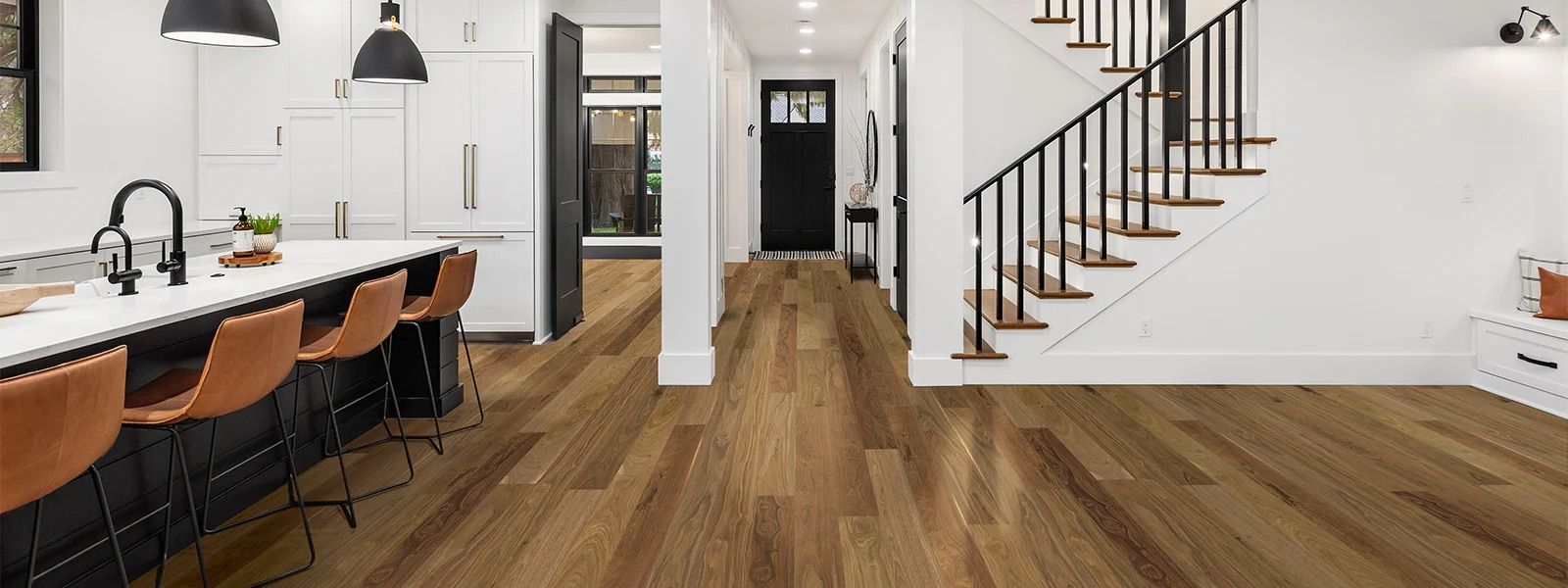
Installing engineered hardwood flooring is an investment in both beauty and functionality for your home or office. With its durability, aesthetic appeal, and ease of maintenance, engineered hardwood has become a popular choice for homeowners and businesses alike. However, proper installation is key to ensuring your floors last for years to come. This comprehensive guide will walk you through how professionals, like our team at La Mesa Flooring, handle the process of installing engineered hardwood flooring to perfection.
What is Engineered Hardwood Flooring?
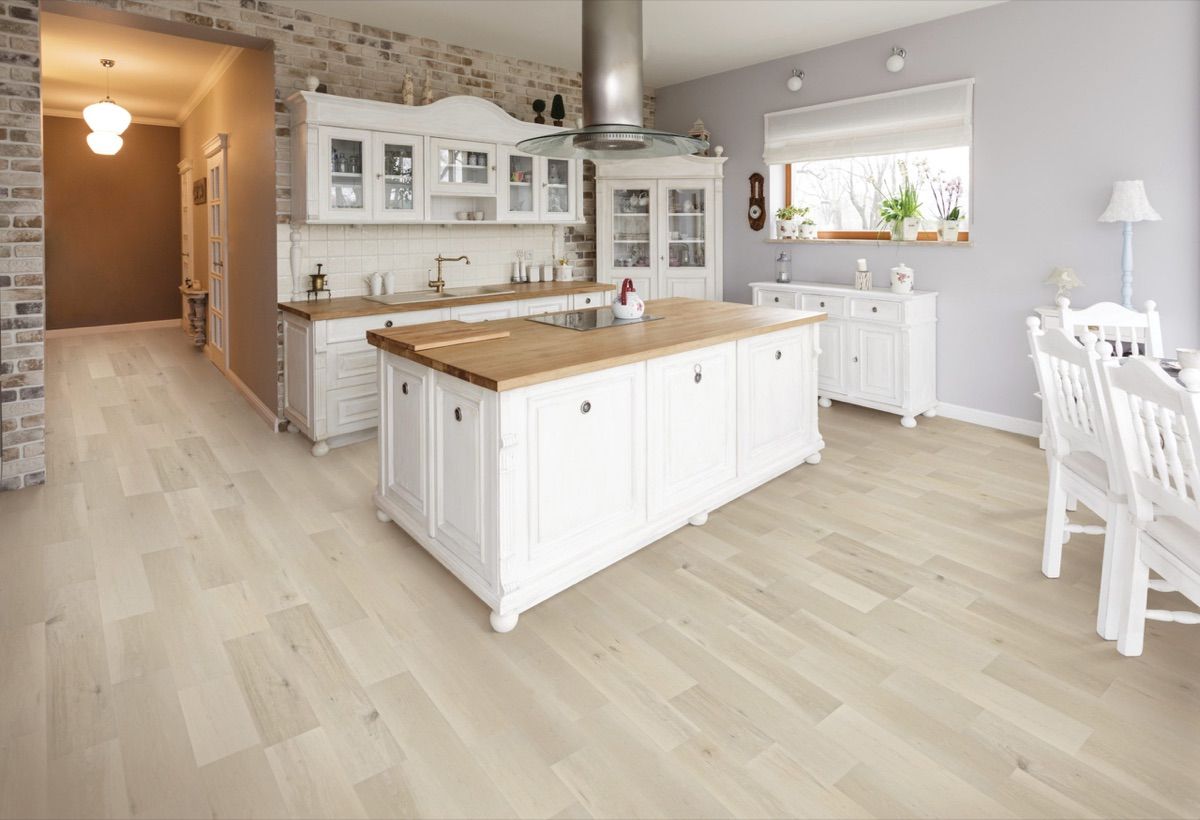
Engineered hardwood flooring consists of multiple layers of wood, including a top layer of real hardwood that provides the natural beauty of traditional wood floors. Unlike solid hardwood, engineered hardwood is more resistant to temperature fluctuations and humidity, making it a versatile choice for various spaces.
Why Choose Professional Installation?
While some homeowners may consider a DIY approach to installing engineered hardwood, professional installation ensures:
- Precision: Professionals have the tools and expertise to handle intricate cuts and layouts.
- Durability: Proper installation techniques prevent issues like warping, buckling, or uneven surfaces.
- Time Efficiency: Experts complete the job quickly and efficiently, minimizing disruption.
- Warranty Coverage: Many flooring products require professional installation to maintain warranty coverage.
At La Mesa Flooring, our team brings decades of experience to every project, ensuring your flooring is installed correctly and beautifully.
Preparing for Installation of Engineered Hardwood Flooring
Before the actual installation begins, professionals follow these crucial steps to prepare the space:
1. Inspection and Measurement
A thorough inspection of the subfloor and environment is conducted to assess:
- Subfloor type and condition
- Moisture levels
- Room dimensions and layout
2. Choosing the Right Materials
Professionals help you select engineered hardwood flooring that suits your space, lifestyle, and design preferences. Factors like wood species, finish, and plank width are considered.
3. Acclimation of Flooring
Engineered hardwood must acclimate to the environment where it will be installed. Planks are stored in the room for 48-72 hours to adjust to the room’s temperature and humidity.
4. Preparation of Subfloor
The subfloor is cleaned, leveled, and repaired as needed. This ensures a smooth and stable foundation for the flooring.
How Professionals Install Engineered Hardwood Flooring
1. Determine Installation Method
There are three main methods for installing engineered hardwood flooring, and the choice depends on the product and subfloor:
- Floating Installation: Planks are attached to each other rather than the subfloor using a click-lock system or adhesive.
- Glue-Down Installation: Adhesive is applied to the subfloor, and planks are pressed into place.
- Nail-Down Installation: Planks are secured to a wooden subfloor using nails or staples.
Professionals assess the specific conditions of your space to determine the most suitable method.
2. Layout Planning
An efficient and aesthetically pleasing layout is planned, often starting along the longest wall or a focal point. Spacers are used to maintain proper expansion gaps around the perimeter.
3. Cutting and Installing Planks
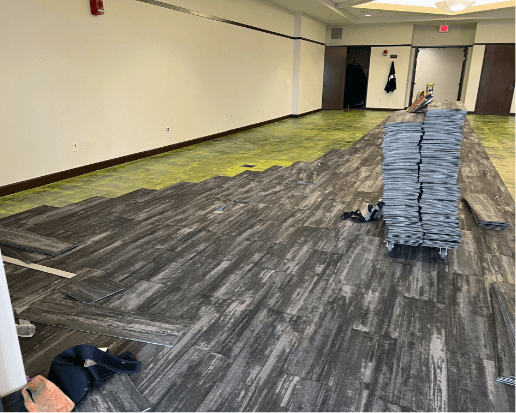
Using precision tools, planks are cut to fit around obstacles and edges. The installation proceeds row by row, ensuring tight seams and consistent alignment.
4. Securing the Planks
Depending on the chosen method, planks are either clicked together, glued, or nailed down. Professionals take care to avoid damage to the flooring during this step.
5. Finishing Touches
After all planks are installed, baseboards and transition pieces are added. The floor is thoroughly cleaned, and a final inspection ensures quality and consistency.
Maintaining Your Engineered Hardwood Floors
Proper maintenance is essential to keep your floors looking their best. Professionals recommend:
- Regular sweeping or vacuuming to remove dirt and debris
- Using a damp mop with a manufacturer-approved cleaner
- Avoiding excessive moisture and harsh chemicals
- Placing protective pads under furniture to prevent scratches
At La Mesa Flooring, we provide customers manufacturer recommended cleaning guidelines to extend the life of your floors.
Why Choose La Mesa Flooring?
At La Mesa Flooring, we’ve proudly served the San Diego community for decades as the longest-running flooring store in the area. As a locally-owned, full-service provider, we specialize in residential and commercial flooring solutions, including the installation of engineered hardwood flooring.
Our expert team can guide you through every step, from selecting the perfect flooring to professional installation and maintenance. We’re committed to delivering quality products and exceptional service, ensuring your floors look stunning for years to come.
Visit our showroom at 8772 La Mesa Blvd, La Mesa, CA 91942 to explore our wide selection of engineered hardwood flooring and other premium options.
Explore Engineered Hardwood Flooring at La Mesa Flooring in San Diego
Installing engineered hardwood flooring is a rewarding investment that enhances the beauty and value of your property. By trusting professionals, such as the team at La Mesa Flooring, you can enjoy flawless results that stand the test of time. If you’re in San Diego or the surrounding areas and are considering installing engineered hardwood flooring, contact us today for a free quote. We’d love to help you transform your space with stunning, durable flooring that suits your style and needs.
Stop by our showroom or give us a call to start your journey to beautiful new floors!
What is the difference between solid hardwood and engineered hardwood flooring?
Engineered hardwood flooring consists of multiple layers, including a real hardwood top layer and a core made of plywood or high-density fiberboard. This construction makes it more stable and resistant to humidity compared to solid hardwood, which is made entirely of a single piece of wood.
How do I know if my subfloor is suitable for engineered hardwood flooring?
A professional inspection is the best way to determine subfloor suitability. The subfloor must be clean, level, dry, and structurally sound. Common subfloor types like concrete, plywood, and existing wood floors can often accommodate engineered hardwood with the right preparation.
What is acclimation, and why is it important?
Acclimation involves allowing the engineered hardwood planks to adjust to the room’s temperature and humidity levels before installation. This step prevents expansion or contraction issues after installation and ensures a more stable floor.