
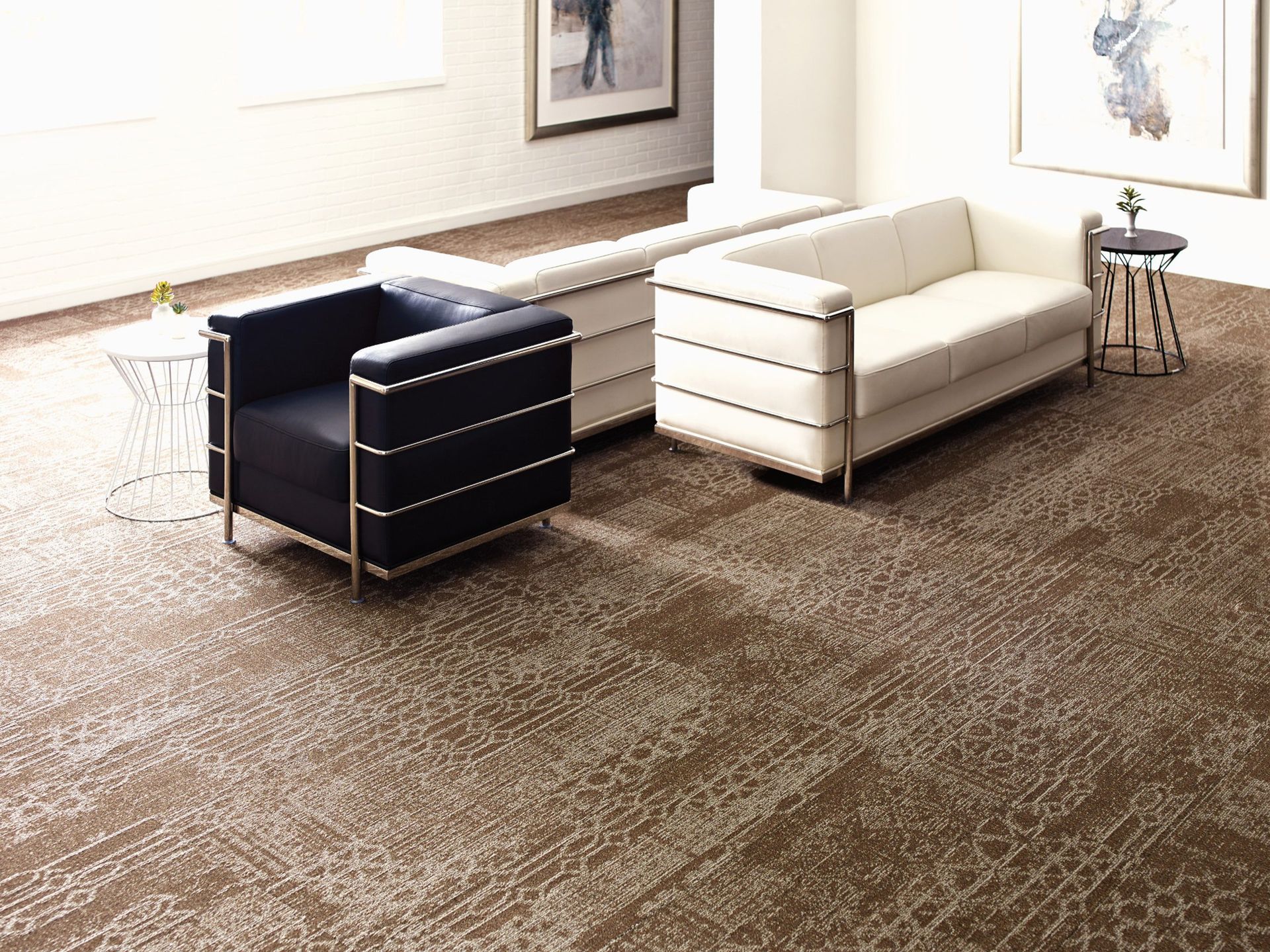
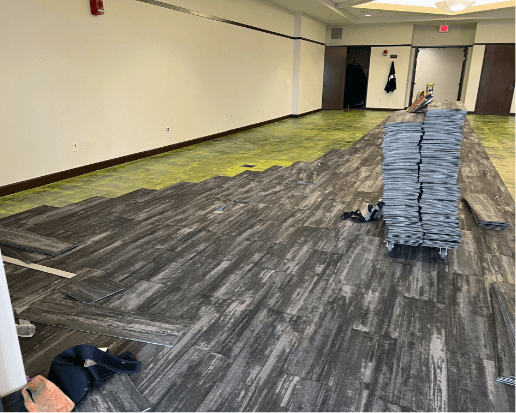
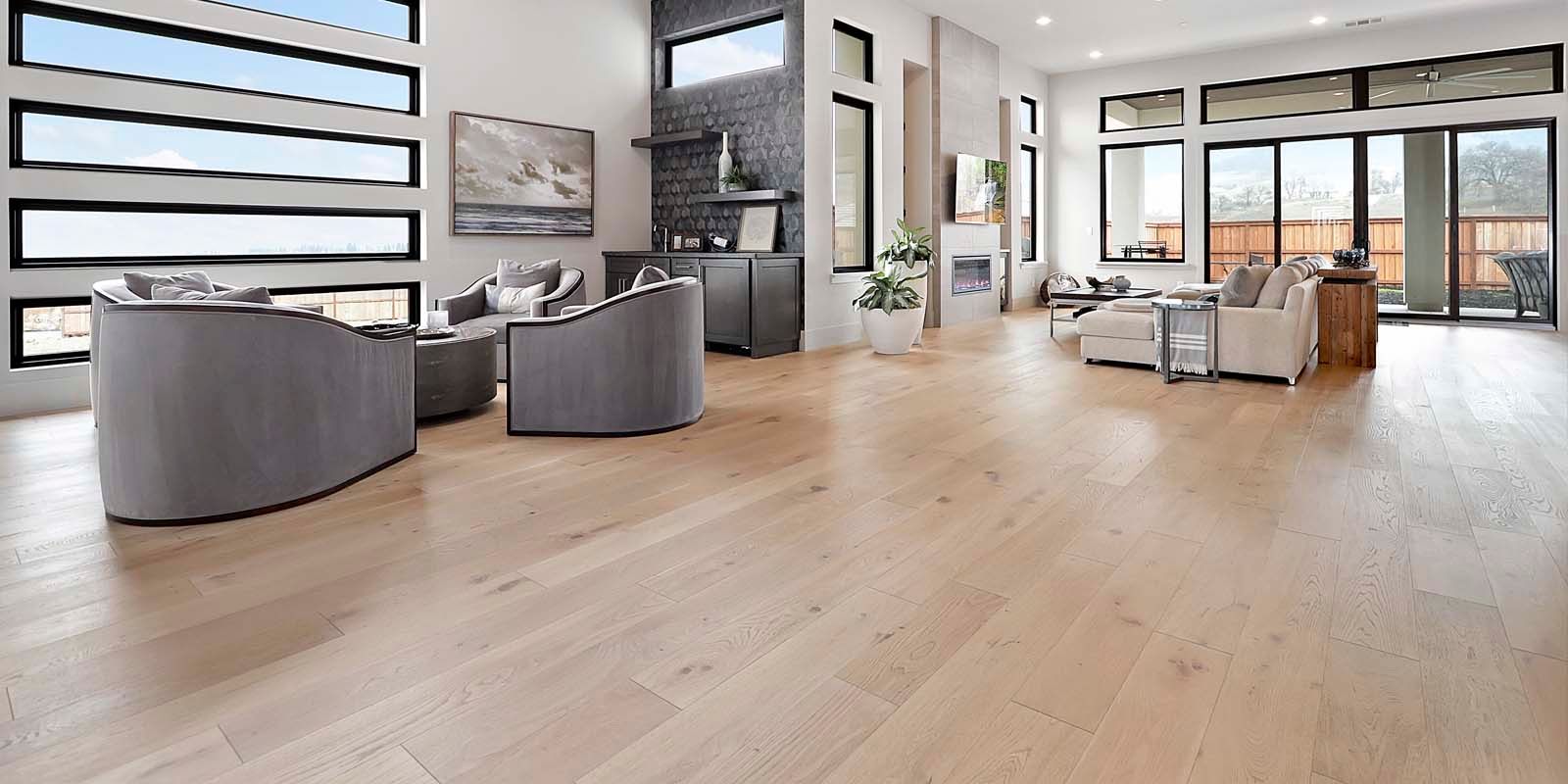
Price points tell a compelling story when choosing between engineered hardwood and luxury vinyl plank (LVP) flooring. LVP welcomes budget-conscious homeowners with costs starting at $2-3 per square foot, while engineered hardwood reflects its premium quality at up to $20 per square foot.
Smart flooring decisions reach far beyond initial costs. Quality engineered hardwood floors stand ready to serve your home for over 50 years with proper care. LVP offers 5 to 30 years of service life, depending on the product grade you select. Both options excel in different ways – engineered hardwood delivers authentic wood beauty plus refinishing options, while LVP provides complete waterproof protection perfect for kitchens and bathrooms.
Let our flooring experts guide you through the key differences between luxury vinyl plank and engineered hardwood flooring. Together, we’ll match your lifestyle needs, budget goals, and design preferences with the perfect flooring choice for your home.
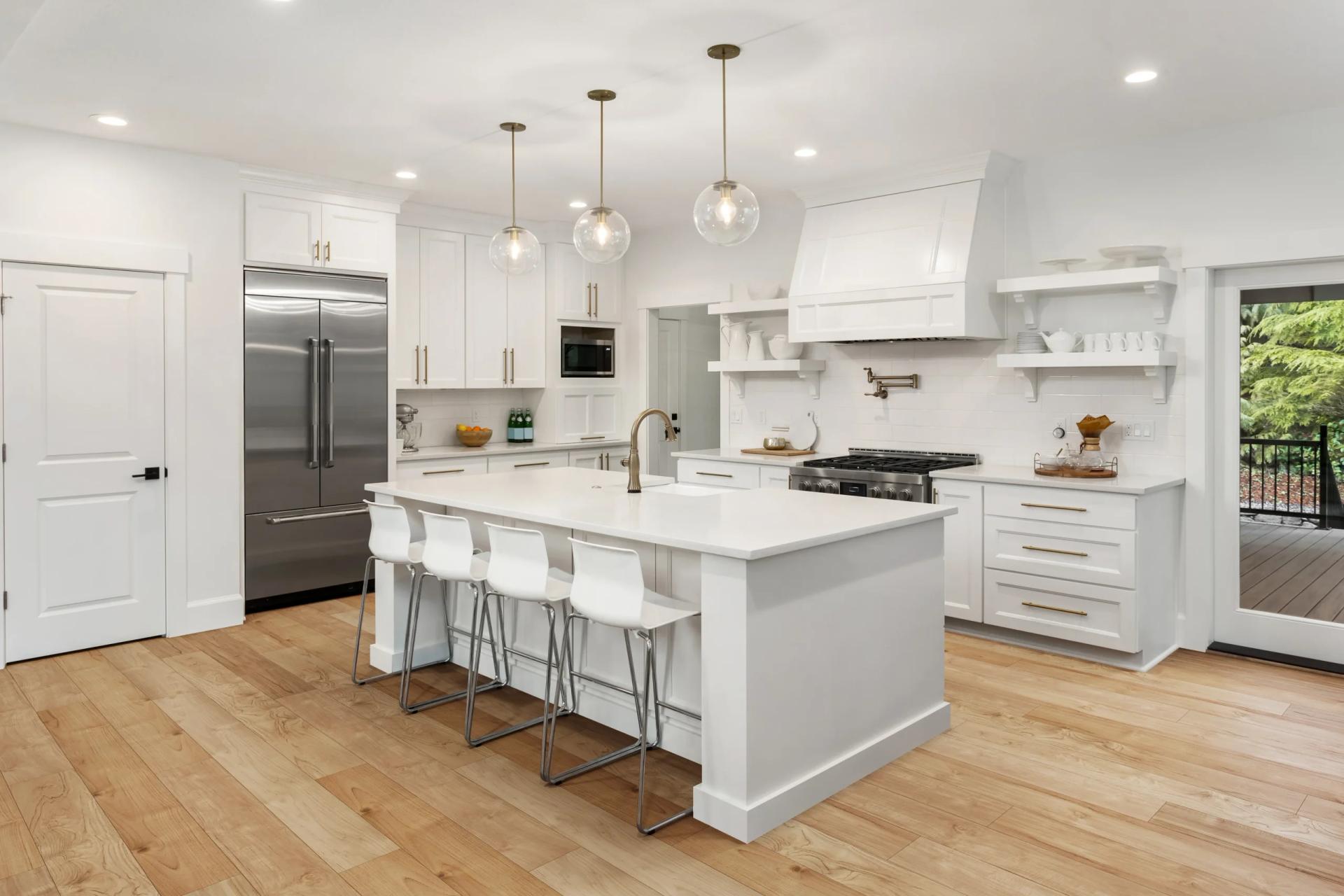
Key Features That Set Them Apart
Water resistance and temperature sensitivity emerge as defining characteristics when comparing engineered hardwood vs LVP flooring. Our flooring experts explain these crucial differences to help you choose the perfect option for your space.
Superior Water Protection
LVP delivers exceptional moisture defense through its advanced synthetic construction. The 100% waterproof protection makes LVP the trusted choice for kitchens, bathrooms, and basement installations. The vinyl composition naturally repels water, though proper installation remains essential to prevent moisture from reaching your subfloor.
Engineered hardwood showcases notable moisture resistance improvements over traditional solid hardwood, thanks to its innovative layered design. The engineered plywood core creates remarkable stability even with humidity changes. Quick response to spills remains important to protect your investment.
Temperature Performance
Your flooring’s response to temperature changes directly impacts its long-term performance. Engineered hardwood excels here through its sophisticated multi-ply construction. The carefully bonded layers work in harmony to resist the natural expansion, contraction and warping that typically affects wood flooring during environmental shifts.
This advanced engineering specifically prevents twisting and cupping when moisture levels change, maintaining the floor’s structural integrity. Homeowners in high-humidity regions particularly benefit from this stability advantage over traditional hardwood options.
LVP’s multi-layer design, featuring PVC and high-density foam core components, delivers consistent performance across varying temperatures. The synthetic materials maintain their shape and structure throughout seasonal changes, simplifying installation requirements.
For rooms with significant temperature fluctuations, engineered hardwood proves more reliable than solid hardwood alternatives. While acclimation before installation helps optimize performance, engineered hardwood requires less conditioning time than solid wood options.
Installation Methods and Requirements
Our flooring experts guide countless homeowners through successful installations every week. Let’s explore the installation requirements for engineered hardwood and LVP to help you choose the right approach for your project.
Subfloor Preparation Essentials
Success starts with proper floor preparation. Our installation team ensures both flooring types receive 48 hours of climate adjustment, preventing future warping or shrinkage.
Engineered hardwood demands these preparation steps:
- Moisture meter testing for wood subfloors
- 12% or lower moisture content verification
- Wooden shim placement for staple-down methods
- Concrete subfloor high spot removal
- Thoroughly cleaned, stable substrate
- Moisture levels under 3 pounds per 1,000 square feet per 24 hours
- Surface leveling within 1/8″ over 6 feet
Essential Tools and Materials
Engineered hardwood installation requires:
- Precise measuring tools and chalk lines
- Quality table or hand saw
- Professional-grade rubber mallet
- Specialized tapping block
- Durable pulling bar
Additional method-specific tools include:
- Professional nail gun for secured installation
- Proper adhesive trowel for glue-down projects
- Quality moisture barrier for floating floors
LVP installation simplifies your toolbox to:
- Sharp utility knife
- Reliable level
- Proper spacers
- Standard measuring equipment
Maintenance and Repair Reality Check
Our flooring specialists help homeowners protect their flooring investments every day. Let’s explore the maintenance requirements for both engineered hardwood and LVP to ensure your floors deliver lasting beauty and performance.
Daily Care Essentials
Engineered hardwood showcases its timeless beauty through proper care. Our experts recommend:
- Only manufacturer-approved cleaning products
- Gentle cleaning techniques that preserve wood finish
- Professional-grade soft-bristled brooms or vacuum cleaners
LVP welcomes busy households with simple maintenance needs. Regular sweeping paired with occasional mopping keeps these floors looking fresh. LVP handles wet mopping without concern. Room conditions matter too – maintain temperatures between 60-80°F and relative humidity from 35-55%.
Smart Damage Solutions
Surface scratches top the list of engineered hardwood concerns. Our repair specialists recommend:
- Thorough cleaning of damaged spots
- Professional-grade touch-up markers or fill sticks
- Quality wax-based fillers for deeper gouges
- Non-acetone solutions for significant damage
LVP earns praise for its remarkable scratch and stain resistance. While repairs prove less common, both flooring types benefit from these protective measures:
- Quality furniture protection pads
- Strategic doormat placement
- Protective rugs in high-traffic zones
- Regular pet nail maintenance
Refinishing Value
Engineered hardwood stands alone in its refinishing potential. Premium options featuring 2mm or thicker wear layers welcome multiple refinishing cycles. The National Wood Floors Association guides owners to:
- Schedule finish renewal every 3-5 years
- Plan complete refinishing across decades
This refinishing capability helps quality engineered hardwood serve homes for 50+ years. LVP, while durable, requires full replacement after 5-30 years based on quality level. Your floor’s lifespan depends directly on initial product selection and consistent care practices.
Considerations Before Making the Final Decision
Our San Diego customers trust La Mesa Flooring experts to guide them through this important decision. Let’s examine three key factors that determine your lasting satisfaction with engineered hardwood or LVP flooring.
Smart Budget Planning
Your flooring investment starts with material costs. LVP provides budget-conscious solutions ranging from $1.00 to $10.00 per square foot. Quality engineered hardwood reflects its premium status at $3.00 to $20.00 per square foot.
Professional installation adds another cost dimension. LVP installation remains economical at $1.00 to $3.00 per square foot. Engineered hardwood expertise commands $3.00 to $8.00 per square foot, reflecting the skilled craftsmanship required.
Your Family’s Lifestyle
High-traffic households deserve floors that match their energy. Active families appreciate LVP’s outstanding scratch resistance. Homeowners with heavy furniture find peace of mind in engineered hardwood’s superior dent resistance.
Our customers weigh these practical benefits:
- LVP delivers complete waterproof protection for wet spaces
- Engineered hardwood boosts your home’s market appeal
- LVP serves 5-30 years based on quality selection
- Engineered hardwood rewards proper care with 50+ years of beauty
Earth-Friendly Choices
Your flooring choice impacts our environment. Engineered hardwood leads the way in sustainability. Leading manufacturers embrace sustainable practices, ensuring two new trees grow for each one harvested.
LVP presents environmental challenges:
- Non-biodegradable synthetic construction
- VOC emissions during manufacturing
- Limited end-of-life recycling options
Engineered hardwood offers green advantages:
- Renewable resource utilization
- Full recycling potential
- Efficient wood use compared to solid hardwood
Ready for the Perfect Flooring? Discover LVP vs Engineered Hardwood Today
Choosing the right flooring starts with expert guidance. LVP offers an affordable solution, excelling in moisture-prone spaces and active households with minimal maintenance. Engineered hardwood offers lasting beauty and refinishing possibilities, making it a great investment for long-term value and natural elegance.
The ideal flooring depends on your specific space. Consider the room’s purpose, moisture levels, and maintenance preferences to decide between the practical benefits of LVP or the enduring appeal of engineered hardwood. Visit La Mesa Flooring today to explore these top options with our expert team and ensure your satisfaction in finding the perfect foundation for your home.
What are the main differences between engineered hardwood and luxury vinyl plank (LVP) flooring?
Engineered hardwood offers a more authentic wood look and can be refinished, potentially lasting over 50 years with proper care. LVP is more affordable, 100% waterproof, and easier to maintain, but typically needs replacement after 5-30 years.
Which flooring option is better for moisture-prone areas?
LVP is the superior choice for moisture-prone areas like bathrooms and kitchens due to its 100% waterproof properties. Engineered hardwood, while more moisture-resistant than solid hardwood, still requires prompt attention to spills to prevent damage.
How do installation methods differ between engineered hardwood and LVP?
LVP is generally more DIY-friendly, requiring minimal tools and expertise. Engineered hardwood installation is more complex, often requiring professional installation due to multiple methods like floating, gluing, or nailing to the subfloor.
What are the maintenance requirements for engineered hardwood and LVP?
Engineered hardwood requires specialized care with manufacturer-approved cleaning solutions and gentle cleaning tools. LVP offers simpler maintenance with regular sweeping and occasional mopping, tolerating wet mopping without damage.
How do engineered hardwood and LVP compare in terms of environmental impact?
Engineered hardwood is generally more eco-friendly, using renewable materials and following sustainable practices. LVP, while practical, raises environmental concerns due to its synthetic composition, VOC emissions during production, and lack of biodegradability.